


Ensuring the Safety and Condition of High Value Sports Equipment
Transporting high value sports equipment comes with a unique set of challenges. Items such as professional bicycles, specialist training machines, timing systems, or protective gear often represent a significant financial investment and are critical to performance. From a courier’s perspective, careful planning and handling are essential to ensure equipment arrives in perfect condition and ready for use.
Understanding how these items are protected during transport helps teams, organisers, and venues feel confident when equipment needs to move quickly between locations.
What are the risks involved?
High value sports equipment is often fragile, awkwardly shaped, or sensitive to impact. A small knock can affect performance, and exposure to moisture or extreme temperatures can cause damage that is not immediately visible. For time sensitive deliveries, the pressure to arrive quickly must never compromise safety.
Common risks include movement during transit, improper stacking, and insufficient protection against weather. Identifying these risks in advance allows sports industry couriers to plan the safest approach for each journey.
How should sports equipment be prepared for transport?
Preparation plays a major role in keeping equipment safe. Where possible, items should be placed in purpose-built cases or padded bags designed for their specific use. Bicycles may require wheel removal and frame protection, while electronic equipment should be cushioned and protected from vibration.
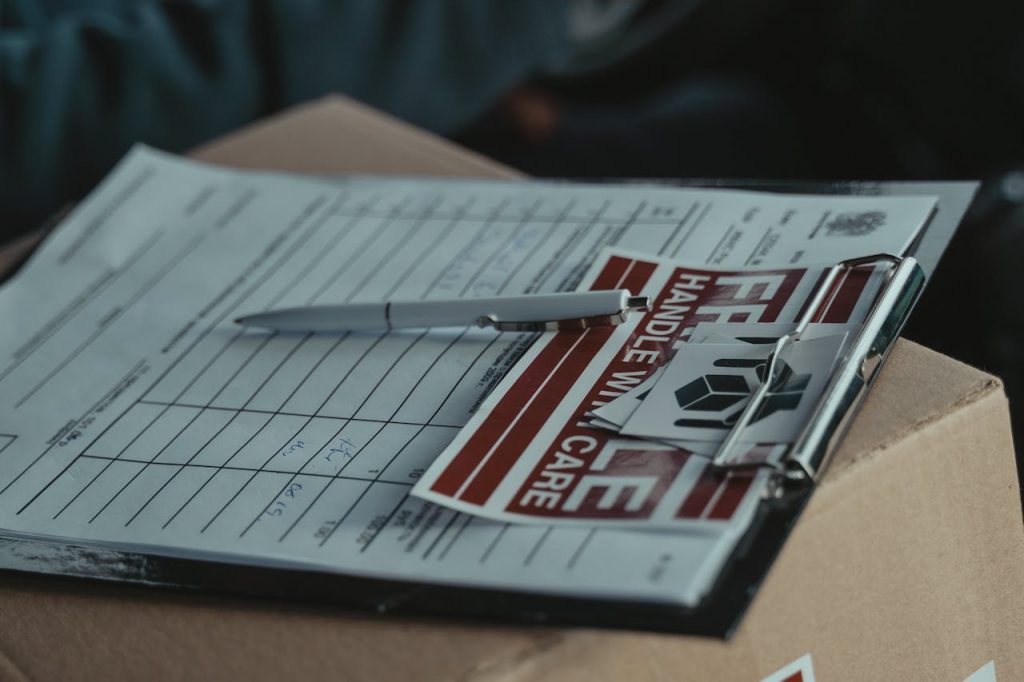
Clear labelling also helps. Marking items as fragile or high value ensures everyone involved in handling understands the importance of careful movement. In some cases, a checklist is used to confirm that all items are packed correctly before collection.
Is vehicle choice important for sports equipment transport?
Choosing the right vehicle is essential. High value sports equipment should be transported in clean, enclosed vehicles that protect against weather and road debris. Inside the vehicle, items are positioned to minimise movement. Straps, padding, and non-slip surfaces help keep everything secure.
Loading is carried out methodically, with heavier items placed first and lighter or more delicate equipment positioned carefully around them. Equipment is never stacked in a way that could cause pressure or distortion.
How are conditions monitored during transit?
During transit, maintaining stable conditions is key. Sudden braking, sharp turns, or rough road surfaces can all affect sensitive equipment. Experienced couriers drive with this in mind, adopting smoother driving styles to reduce movement inside the vehicle.
For particularly valuable or sensitive items, regular checks during longer journeys help to ensure everything remains secure. This attention to detail helps prevent minor issues from becoming serious problems.
Is courier handling secure?
Delivery is just as important as collection. High value equipment should be handed directly to a responsible individual whenever possible. This reduces the risk of items being left unattended or exposed to unsuitable conditions.
A careful handover also allows for a quick visual inspection, giving both the courier and recipient confidence that everything has arrived as expected. Clear communication at this stage helps avoid misunderstandings and ensures accountability.
How do couriers plan for urgent deliveries?
Sport often involves unexpected changes. A last minute fixture, replacement equipment, or a sudden venue change can all require urgent courier transport. In these situations, preparation and experience make a significant difference.
Couriers familiar with sports logistics understand how to prioritise safety even when time is limited. They know which routes reduce road risk, how to load quickly without rushing, and how to communicate updates clearly along the way.
For athletes and teams, equipment is more than just a set of tools. It directly affects performance, confidence, and preparation. Ensuring its safety during transport protects not only financial value but also the success of the event itself.
From careful packing to controlled driving and secure handover, every step in the transport process matters. When handled correctly, high value sports equipment can move efficiently without compromising condition or reliability.
FAQs
Why is high value sports equipment more challenging to transport?
It is often fragile, sensitive to impact, and essential to performance, which means even minor damage can have serious consequences.
How should sports equipment be packed for transport?
Using padded cases, securing loose parts, and clearly labelling items helps reduce the risk of damage.
What type of vehicle is best for transporting sports equipment?
Enclosed vehicles with secure interiors provide protection from weather and allow equipment to be properly restrained.
How do couriers minimise movement during transit?
By using straps and padding, careful loading methods, and smooth driving techniques.
Why is direct handover important when transporting high value items?
It reduces the risk of loss or damage and allows immediate confirmation that the equipment has arrived safely.
Instant Quote - Call us now!
Call us today and we can get you a quote immediately. We will guarantee pick up of your parcel in 60 minutes or less.
Call us now: 0800 999 8220