


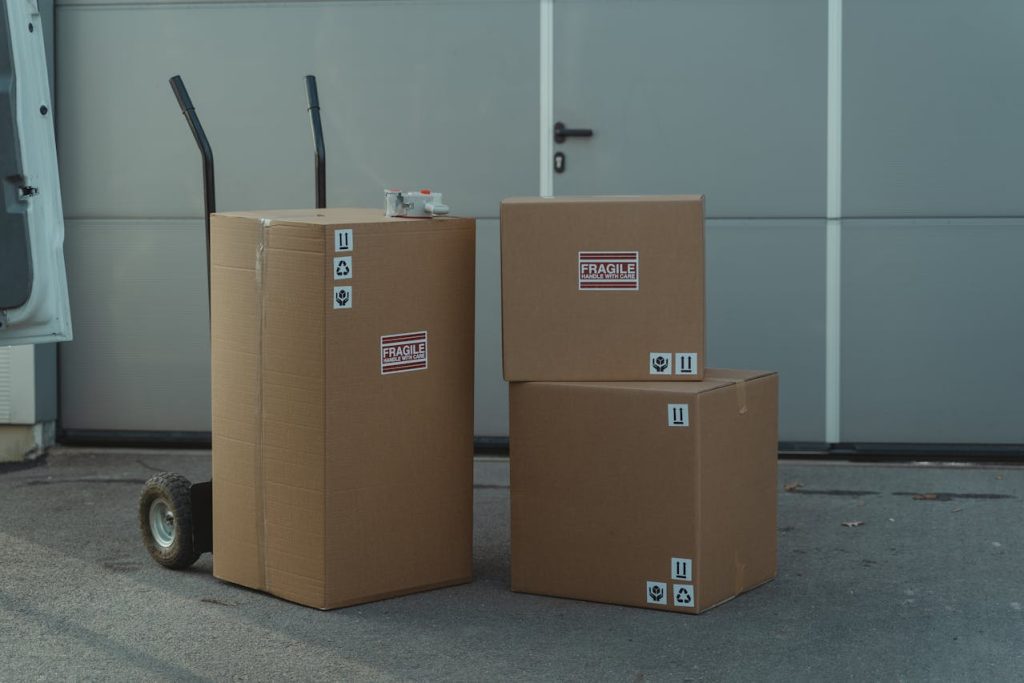
Courier Support for IT Relocation and Office Moves
Moving office is rarely just about desks and chairs. For most businesses, the biggest concern is the safe movement of IT equipment. Servers, monitors, laptops, and networking hardware all need to arrive in working condition, often within tight timeframes.
IT relocation is less about transport alone and more about planning, handling, and timing. Small decisions made before the move can have a noticeable impact on how smoothly everything runs.
What is being moved?
Not all IT equipment is equal. A desktop monitor can usually be boxed and stacked, while a server may require careful handling, secure positioning, and temperature awareness during transit.
Before collection, it helps to take stock of what is actually being moved. This includes identifying sensitive items such as external hard drives, network switches, or equipment that holds critical business data. These items often need separate packing and labelling so they can be prioritised during unloading.
In practice, clearly identifying these items reduces the risk of delays when setting up the new workspace.
How can proper packing impact delivery?
Packing is often where problems begin. It is easy to place equipment into boxes quickly, especially when time is limited. However, poor packing can lead to internal damage that is not visible until equipment is switched on again.
For IT relocation, protective packing matters. Anti-static wrapping, padded cases, and secure boxing help prevent movement during transit. Loose cables and accessories should be bagged and labelled so they can be reconnected without confusion.
From experience, the extra time spent packing properly tends to save far more time during setup at the new location.
How important is organisation?
One of the more common issues during office moves is losing track of where equipment belongs. A monitor might arrive, but without knowing which desk it came from, it becomes harder to rebuild the workspace efficiently.
Labelling plays a simple but effective role here. Each item or box can be marked with its destination, whether that is a department, desk number, or room.
When couriers receive clearly labelled items, unloading becomes more structured. Equipment can be placed directly in the correct area, which helps IT teams reconnect systems more quickly.
How important is time management?
Office moves often need to happen outside of standard working hours. Evenings or weekends are commonly chosen to avoid disrupting business operations.
Timing is one of the most important parts of the process. Access to both the collection and delivery sites needs to be confirmed in advance. This includes lift availability, parking arrangements, and any security requirements.
Delays at either end can slow down the entire move. Planning these details ahead of time helps ensure that vehicles can load and unload without unnecessary waiting.
How safe is equipment during transit?
Once equipment is on the move, stability becomes the priority. Courier vehicles being used for IT relocation are typically organised so that items are secured and do not shift during transport.
Heavier items are placed in stable positions, while more delicate equipment is kept separate or cushioned. Sudden movement or stacking pressure can cause damage, even over short distances.
Drivers also tend to take a more controlled approach to the journey itself. Smooth driving reduces the risk of equipment being affected by vibrations or sudden stops.
The final stage of an IT relocation is often where time pressures are felt most. Businesses want systems back up and running as quickly as possible.
When equipment arrives in an organised way, with clear labelling and minimal damage, setup becomes far more straightforward. IT teams can focus on reconnecting systems rather than searching for missing parts or dealing with avoidable issues.
For our same day couriers, a successful move is one where the transition feels controlled from start to finish. The goal is not simply to deliver items, but to support a process that allows the business to resume normal operations without unnecessary disruption.
FAQs
What type of IT equipment can a courier move?
Most couriers can transport items such as laptops, monitors, servers, and networking equipment, depending on handling requirements.
Do IT items need special packaging?
Yes, protective materials such as anti-static wrap and padded cases help reduce the risk of damage.
How can I keep track of equipment during a move?
Labelling items by desk, department, or room helps ensure everything arrives in the correct place.
When is the best time to move office IT equipment?
Many businesses choose evenings or weekends to minimise disruption.
Can couriers help with time sensitive office moves?
Same day services can support tight schedules, particularly when timing is critical for business continuity.
Instant Quote - Call us now!
Call us today and we can get you a quote immediately. We will guarantee pick up of your parcel in 60 minutes or less.
Call us now: 0800 999 8220