


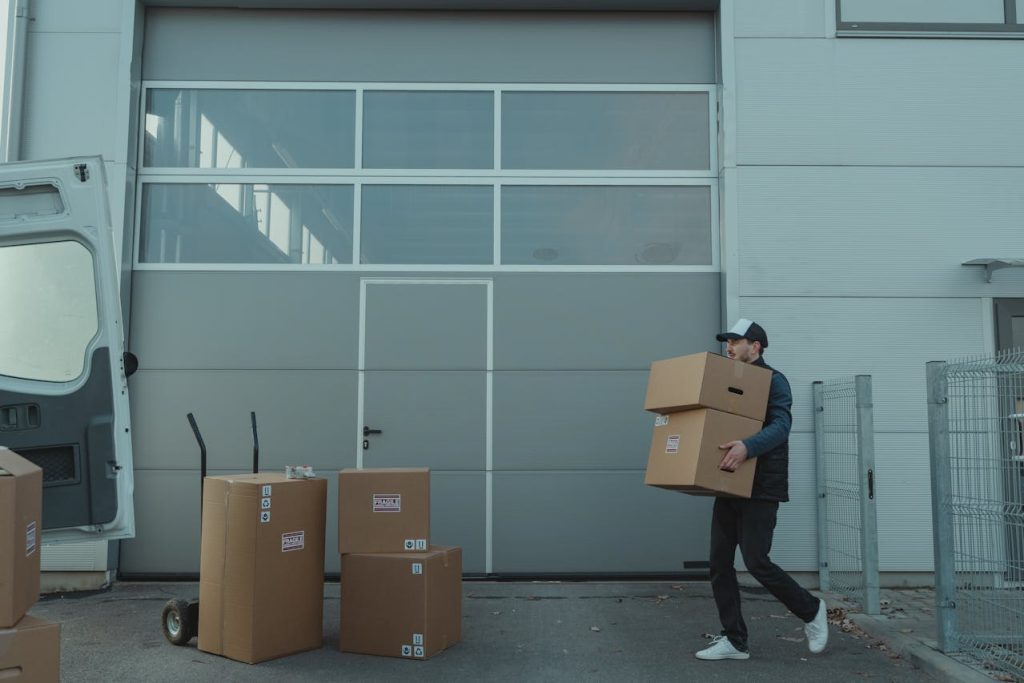
How Courier Services Adapt to Urban Congestion and Clean Air Zones
Anyone who regularly drives through major UK cities knows that urban deliveries have become more complex over the past decade. Growing traffic levels, changing road layouts, increased pedestrianisation and the introduction of Clean Air Zones have all changed how courier services operate.
From the outside, a same day delivery may appear straightforward. A parcel is collected, transported and delivered. In reality, successful urban courier work often depends on careful planning, local knowledge and the ability to adapt quickly when conditions change.
As cities continue to evolve, courier services are finding new ways to maintain reliable deliveries while navigating increasingly challenging environments.
How has urban congestion changed delivery operations?
Traffic congestion has always been a factor in city deliveries, but many urban areas are experiencing greater pressure on road networks than ever before.
Roadworks, temporary lane closures, major events and growing traffic volumes can significantly affect journey times. Routes that were once predictable may vary considerably from one day to the next.
For courier services, this means journey planning begins long before a driver sets off. Dispatch teams often monitor traffic conditions throughout the day, adjusting routes when incidents occur and allowing additional travel time where necessary.
Experienced drivers also develop a detailed understanding of local traffic patterns. Knowing which routes become congested during school runs, commuter peaks or sporting events can help avoid unnecessary delays.
What are Clean Air Zones and why do they matter?
Clean Air Zones have been introduced in several UK cities to improve air quality by reducing vehicle emissions in busy urban areas. Depending on the location and vehicle type, charges may apply when entering certain zones if emissions standards are not met.
For courier companies, these schemes influence fleet management decisions. Vehicles must be assessed against local requirements, and operators need to understand which cities have charging zones and how those rules apply.
This planning helps avoid unexpected costs while ensuring deliveries continue without disruption.
How are courier fleets adapting?
One of the most visible changes has been the gradual shift towards cleaner vehicles.
Many courier operators now include low-emission or fully electric vehicles within their fleets. While electric vehicles may not be suitable for every type of delivery or every route, they can be particularly effective in urban environments where daily mileage is more predictable.
Newer diesel and petrol vehicles that meet the latest emissions standards also play an important role.
Rather than relying on a single vehicle type, many courier businesses operate a mixed fleet. This allows the most appropriate vehicle to be selected based on the delivery location, distance and load requirements.
Why is route planning more important than ever?
Modern route planning involves much more than simply finding the shortest distance between two points.
Drivers and dispatch teams must consider…
- Traffic conditions
- Road restrictions
- Clean Air Zone boundaries
- Vehicle suitability
- Delivery time requirements
- Parking availability
In city centres, a slightly longer route can sometimes result in a faster delivery if it avoids known congestion hotspots.
Courier technology helps support these decisions, but local experience remains extremely valuable. Drivers who regularly work in specific areas often identify practical solutions that mapping software alone may not recognise.
How do courier services maintain reliability in busy cities?
Flexibility is often the key to maintaining dependable deliveries. Urban conditions can change rapidly. An unexpected road closure, accident or major public event can affect carefully planned schedules.
Courier services frequently build contingency planning into their operations. Alternative routes, vehicle availability and communication systems all help minimise disruption when circumstances change.
Real-time updates also allow customers to receive accurate information if delays occur, helping businesses plan around revised delivery times.
Reliability is rarely about hoping everything goes according to plan, but about preparing for situations where it does not.
What might the future of urban deliveries look like?
Cities are likely to continue evolving in response to environmental goals, population growth and changing transport priorities.
Courier services may see greater use of electric vehicles, expanded charging infrastructure and further Clean Air Zone developments. Technology will continue to improve route planning and operational visibility.
However, some aspects of urban deliveries are unlikely to change. Careful planning, local knowledge and adaptability will remain essential skills for courier operators navigating busy city environments.
As urban areas become more complex, successful courier services will continue finding practical ways to balance efficiency, reliability and environmental responsibility.
FAQs
What is a Clean Air Zone?
A Clean Air Zone is an area where certain vehicles may be charged if they do not meet specific emissions standards designed to improve air quality.
Do Clean Air Zones affect courier deliveries?
Yes. Courier companies must consider zone requirements when planning routes and selecting vehicles for deliveries.
Are electric vehicles suitable for courier work?
In many urban delivery situations, electric vehicles can be effective, particularly where journey distances and charging opportunities are manageable.
How do couriers deal with heavy traffic congestion?
Courier services use route planning tools, local knowledge and real-time traffic monitoring to minimise delays where possible.
Why can delivery times vary in city centres?
Factors such as traffic conditions, roadworks, events, parking restrictions and road closures can all influence delivery schedules.
Instant Quote - Call us now!
Call us today and we can get you a quote immediately. We will guarantee pick up of your parcel in 60 minutes or less.
Call us now: 0800 999 8220